
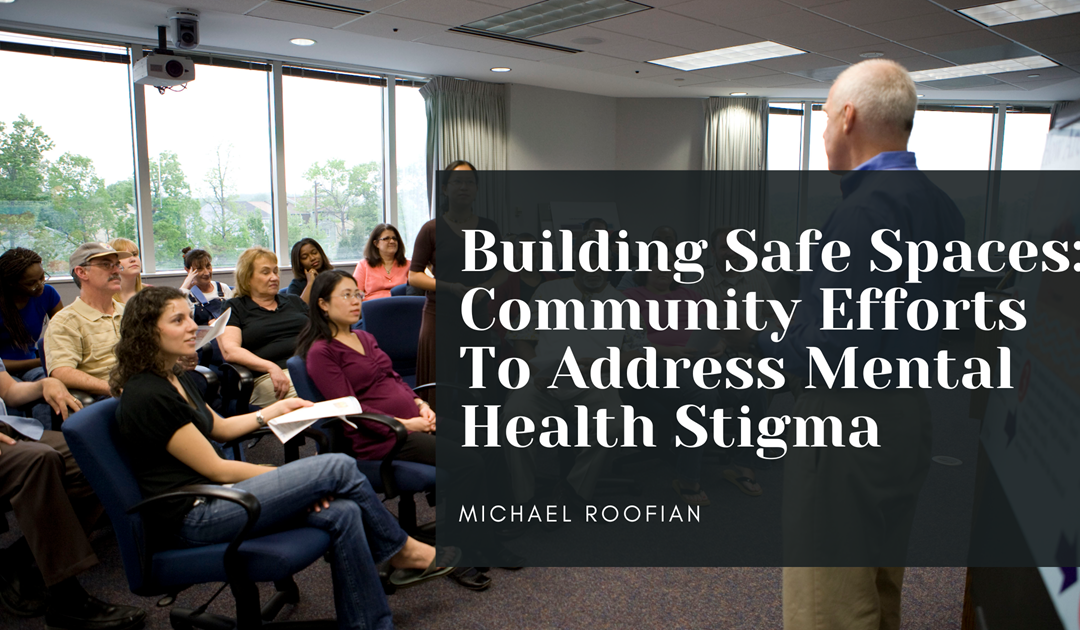
The stigma surrounding mental health continues to pose a significant barrier to seeking help, understanding conditions, and fostering well-being. While awareness campaigns have made progress in recent years, communities must take proactive steps to create safe spaces where open conversations about mental health can thrive. These spaces not only combat stigma but also foster environments of support, education, and healing.
Safe spaces are physical or metaphorical environments where individuals feel free to express their thoughts and emotions without fear of judgment. For mental health, such spaces are crucial in addressing the shame and misinformation that often accompany mental illness. They encourage individuals to share their struggles, seek help, and engage with others who may have similar experiences.
Community centers, schools, workplaces, and religious institutions can serve as safe spaces by adopting inclusive and compassionate practices. Training staff and leaders to recognize signs of mental distress and respond appropriately is a fundamental first step. Sensitivity training can help dismantle biases and create a culture of understanding, ensuring that everyone feels valued and supported.
Open dialogue is another essential component. Hosting workshops, support groups, or mental health awareness events encourages conversations about mental health in non-threatening ways. When individuals see others speaking openly about their experiences, it normalizes these discussions and reduces the fear of being ostracized. Storytelling sessions, in particular, are powerful tools for breaking down stigma, as they humanize mental health struggles and emphasize shared humanity.
Educational initiatives also play a critical role. Many stigmas stem from a lack of understanding about mental health conditions. By providing access to accurate information, communities can dispel myths and encourage informed discussions. For instance, libraries can stock books on mental health, schools can integrate mental health education into their curriculums, and local organizations can host guest speakers who specialize in mental wellness.
Creating safe spaces also involves prioritizing accessibility. This means ensuring that resources, such as counseling services and crisis hotlines, are readily available and easy to use. Mobile apps, online forums, and teletherapy services can complement traditional resources, making mental health support more inclusive. For marginalized or underserved communities, partnerships with local organizations can help bridge gaps in access and trust.
Community leaders and influencers have a unique opportunity to lead by example. When public figures share their own mental health journeys or advocate for mental wellness, they challenge stigma at a societal level. Their voices can inspire others to do the same, creating a ripple effect of acceptance and support.
Physical environments also matter. Spaces designated for mental health support should be welcoming, calming, and non-clinical. Whether it’s a quiet room at a school, a wellness corner in a workplace, or a community garden for reflection, the design and atmosphere of these spaces can significantly impact how comfortable individuals feel using them.
Addressing mental health stigma requires a collective effort, with communities at the forefront. By creating safe spaces, fostering open dialogue, and prioritizing education and accessibility, communities can dismantle harmful narratives and promote a culture of empathy and understanding. These efforts not only improve individual well-being but also strengthen the social fabric, ensuring that no one has to face their mental health struggles alone.