
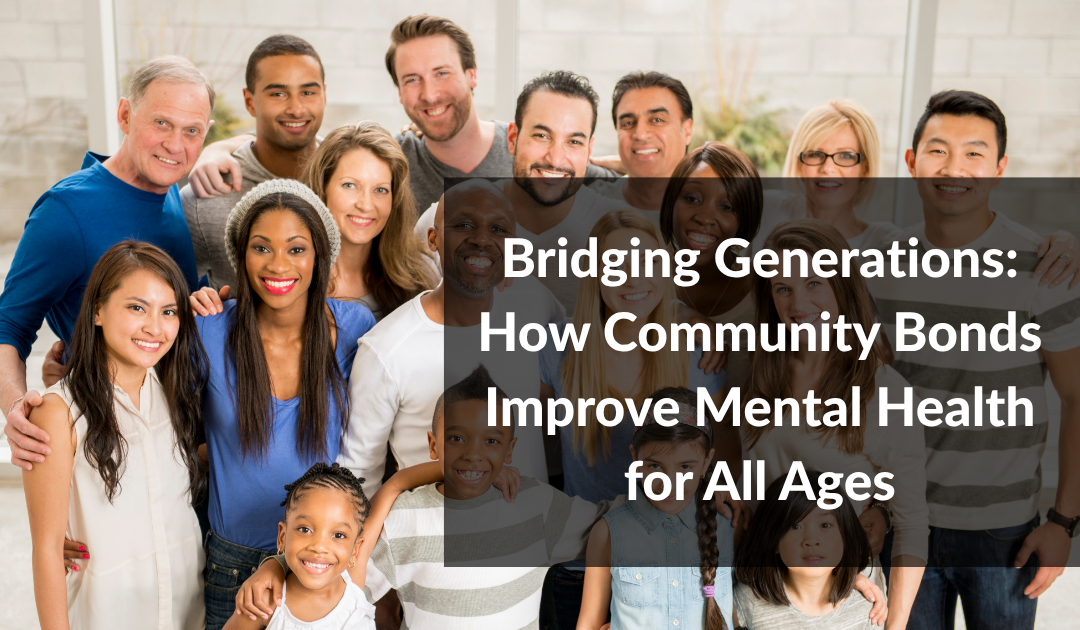
In an increasingly fast-paced and digitally driven world, meaningful human connection can sometimes feel like a luxury rather than a necessity. Yet, one of the most powerful and often overlooked sources of emotional support lies within our communities—specifically, in the relationships formed between different generations. Bridging generational gaps is more than a social ideal; it is a practical and impactful way to improve mental health for people of all ages.
The Value of Intergenerational Connection
Intergenerational relationships bring together individuals from different age groups—children, teens, adults, and older adults—to share experiences, knowledge, and perspectives. These connections foster empathy, reduce loneliness, and create a sense of belonging that is vital for mental wellbeing.
For older adults, staying socially connected can significantly reduce feelings of isolation and depression. Many seniors face life transitions such as retirement, loss of loved ones, or reduced mobility, which can limit social interaction. Engaging with younger generations provides a renewed sense of purpose and an opportunity to share wisdom and life experiences.
On the other hand, younger individuals benefit from guidance, mentorship, and emotional support. In a world filled with uncertainty and pressure, having a trusted older figure can help young people build resilience, confidence, and coping skills.
Breaking Down Stereotypes
One of the biggest barriers to intergenerational connection is the presence of stereotypes. Younger people may view older adults as out of touch, while older generations might perceive youth as distracted or disengaged. However, when these groups come together, such assumptions are often quickly dismantled.
Shared activities—whether storytelling, collaborative projects, or simple conversations—help both sides see each other as individuals rather than stereotypes. This mutual understanding fosters respect and strengthens social cohesion, which in turn contributes to better mental health outcomes.
Mental Health Benefits Across Age Groups
1. Reduced Loneliness and Isolation
Loneliness is a growing concern across all age groups. Intergenerational programs create consistent opportunities for connection, helping individuals feel seen and valued.
2. Increased Sense of Purpose
Older adults often experience a renewed sense of meaning when they can mentor or support younger individuals. Similarly, youth feel empowered when their voices are heard and their contributions matter.
3. Improved Emotional Wellbeing
Positive social interactions release feel-good hormones and reduce stress. Regular engagement across generations can lead to improved mood, reduced anxiety, and overall emotional stability.
4. Enhanced Cognitive Function
For older adults, staying mentally active through conversations and activities with younger people can support cognitive health. Teaching, learning, and storytelling all stimulate the brain.
5. Stronger Community Resilience
Communities that encourage intergenerational bonding tend to be more supportive and inclusive. This collective strength helps individuals navigate challenges more effectively.
Practical Ways to Build Intergenerational Bonds
Creating opportunities for connection doesn’t require large-scale initiatives—small, intentional efforts can make a significant difference.
- Community Programs: Organize events such as storytelling sessions, art workshops, or gardening projects that encourage participation from all age groups.
- Mentorship Opportunities: Pair young people with older mentors who can provide guidance, support, and encouragement.
- Shared Spaces: Libraries, community centers, and parks can serve as natural meeting points for intergenerational interaction.
- Technology Exchange: Younger individuals can help older adults navigate digital tools, while seniors can share life skills and experiences.
- Family Engagement: Encouraging stronger relationships within families—between grandparents, parents, and children—can also foster these connections.
The Role of Communities and Institutions
Schools, local organizations, and community leaders play a crucial role in fostering intergenerational relationships. By designing inclusive programs and promoting shared experiences, they can create environments where people of all ages feel welcome and valued.
For example, schools can invite older community members to participate in classroom activities or storytelling sessions. Similarly, senior centers can collaborate with youth organizations to host joint events. These partnerships not only benefit individuals but also strengthen the fabric of the community as a whole.
Looking Ahead
As society continues to evolve, the need for genuine human connection remains constant. Bridging generational divides is not just about bringing people together it’s about creating a culture of understanding, respect, and mutual support.
When different generations connect, they exchange more than words they share perspectives, build empathy, and create lasting relationships that nurture mental health. In doing so, they remind us that no matter our age, we all have something valuable to give and something meaningful to gain.
By investing in these connections, communities can become stronger, more inclusive, and better equipped to support the mental wellbeing of every individual.