
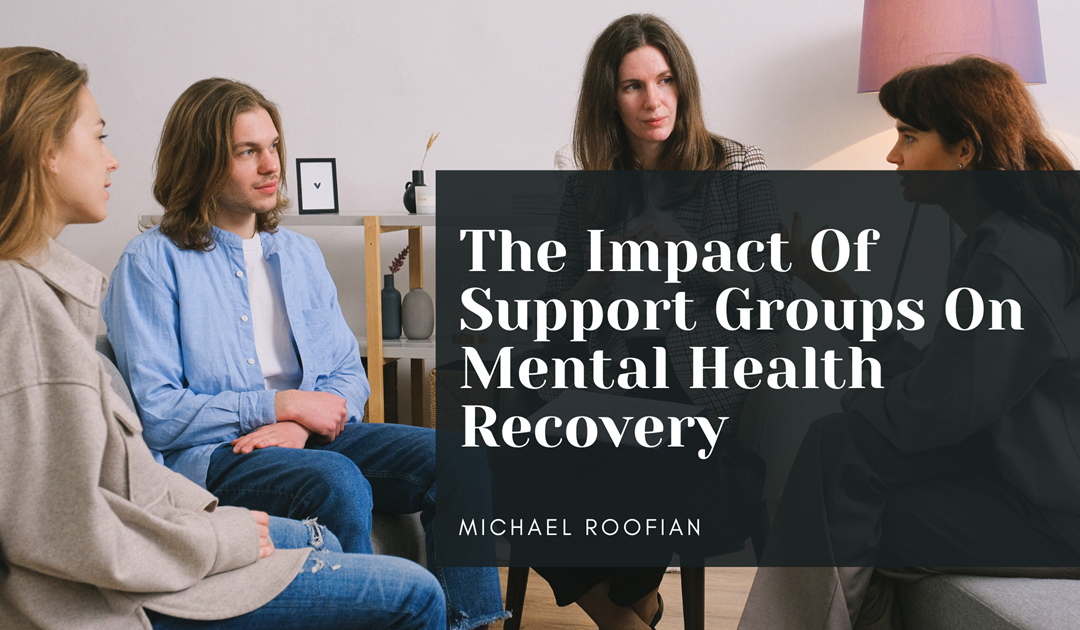
Support groups have long been recognized as a cornerstone of mental health recovery, offering individuals a safe and supportive space to share their experiences and challenges. These groups foster a sense of belonging and understanding that is often difficult to find elsewhere. By providing emotional, social, and practical support, they play a vital role in the healing process.
One of the primary benefits of support groups is the reduction of isolation. Mental health challenges can make individuals feel disconnected from others, leading to loneliness and despair. Support groups counteract this by bringing together people who share similar experiences. This shared understanding creates an environment where participants feel less alone and more connected.
In addition to fostering connections, support groups provide a platform for sharing and learning. Participants often exchange coping strategies, resources, and insights that have worked for them. This peer-to-peer learning is invaluable, as it offers practical advice from those who truly understand the journey. Hearing success stories from others in the group can also instill hope and motivation, encouraging participants to persevere in their recovery.
Support groups are particularly effective at reducing stigma around mental health. When individuals witness others speaking openly about their struggles, it normalizes conversations about mental health and encourages acceptance. This sense of validation helps participants feel more comfortable seeking help and discussing their feelings outside the group.
Another key advantage of support groups is the safe and nonjudgmental environment they provide. Participants can express their thoughts and emotions freely, knowing they will be met with empathy and understanding. This open dialogue helps individuals process their experiences and gain new perspectives, which are essential for healing.
The structure of support groups often includes guidance from trained facilitators or mental health professionals. These leaders ensure the group remains focused, respectful, and productive. They also provide additional expertise and resources, enhancing the group’s overall effectiveness.
Support groups are versatile and can address a wide range of mental health needs. Specialized groups exist for conditions such as depression, anxiety, addiction, and trauma, as well as for specific populations like veterans, caregivers, or LGBTQ+ individuals. This variety ensures that participants can find a group that aligns with their unique experiences and challenges.
The impact of support groups extends beyond individual participants. Families and communities also benefit from the positive changes that group members experience. As individuals regain confidence, emotional stability, and a sense of purpose, they are better equipped to contribute to their relationships and society.
While support groups are not a substitute for professional therapy or medical treatment, they are a valuable complement to these services. By addressing the emotional and social aspects of recovery, support groups provide a holistic approach to mental health care.
Support groups are a powerful resource for mental health recovery, offering connection, understanding, and practical support. Through shared experiences and mutual encouragement, these groups create a foundation for healing and resilience, helping individuals reclaim their lives and thrive.